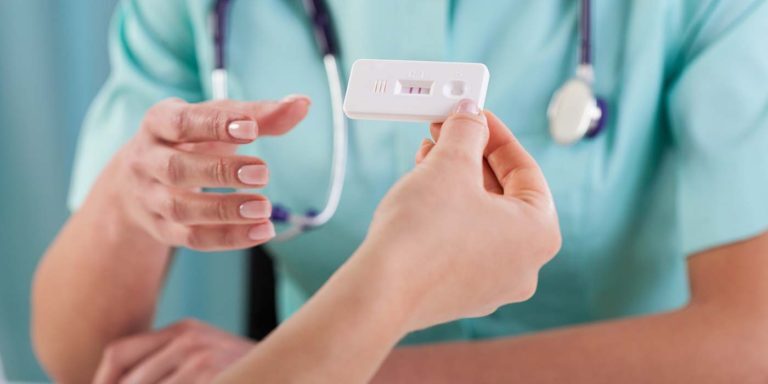
Seeing those two lines or a plus sign on a pregnancy test brings an instant wave of emotions. Whether you have been planning this for months or it comes as a complete surprise, that positive result marks the beginning of an incredible transition. The first trimester, which spans from week 1 through week 12, is a period of rapid embryonic development and profound hormonal shifts.
While your body is quietly working miracles behind the scenes, your mind is likely racing with questions about what to do next. Navigating healthcare choices, lifestyle adjustments, and administrative tasks can feel overwhelming. This comprehensive checklist breaks down exactly what you need to prioritize during these first few weeks to ensure a healthy, low-stress start to your pregnancy journey.
Establish Your Prenatal Medical Care
The absolute first priority after confirming your pregnancy at home is to establish a professional medical care plan. You do not need to wait until your symptoms worsen to reach out to a healthcare provider.
Choose Your Care Provider
Decide whether you want to be cared for by an Obstetrician-Gynecologist (OB-GYN) or a Certified Nurse-Midwife (CNM). An OB-GYN is a medical doctor specializing in pregnancy and childbirth, ideal for high-risk pregnancies or those who prefer a traditional hospital setting. A midwife provides holistic, low-intervention care and often works in hospitals, birth centers, or home settings. Consider your personal health history and birth philosophy when making this choice.
Schedule Your First Prenatal Appointment
Call your chosen provider to schedule your intake appointment. Many clinics will not schedule this first visit until you are between week 8 and week 10 of pregnancy, calculated from the first day of your last menstrual period. However, calling early ensures you get a spot on their calendar and gives you access to their medical staff if you have urgent questions or early complications.
Gather Your Medical History
Before your first appointment, compile a detailed record of your medical history and that of your partner. Your provider will want to know about any chronic illnesses, previous surgeries, past pregnancies, genetic conditions running in either family, and any allergies you have.
Audit Your Medications and Supplements
What you put into your body directly impacts the early development of the embryo, particularly during the first eight weeks when major organs are forming.
Begin a High-Quality Prenatal Vitamin
If you were not already taking a prenatal vitamin while trying to conceive, start taking one immediately. Look for a supplement that contains at least 600 micrograms of folate or folic acid, which is critical for preventing neural tube defects like spina bifida. Additionally, ensure it contains iron to support your expanding blood volume, calcium for bone development, and Vitamin D.
Conduct a Medication Safety Review
Make a comprehensive list of every medication you currently take, including prescription drugs, over-the-counter pain relievers, allergy medications, and herbal supplements. Call your primary care doctor or OB-GYN to verify which of these are safe to continue. Never abruptly stop taking a prescribed medication for a chronic condition, such as depression, high blood pressure, or thyroid dysfunction, without consulting your doctor first, as stopping could pose a greater risk to you and the baby than the medication itself.
Adjust Your Diet and Lifestyle Habits
The first trimester requires immediate modifications to your daily routines to protect the pregnancy and support your energy levels.
Identify and Eliminate Dietary Hazards
Certain foods carry a higher risk of foodborne illnesses like listeria or salmonella, which can be dangerous during pregnancy. Remove the following items from your diet immediately:
-
Raw or undercooked seafood, such as sushi and raw oysters.
-
Unpasteurized dairy products, including soft cheeses like brie, feta, and blue cheese, unless labeled as made with pasteurized milk.
-
Deli meats, cold cuts, and hot dogs, unless they are heated to steaming hot before consumption.
-
Raw or soft-boiled eggs.
-
High-mercury fish, including swordfish, shark, king mackerel, and tilefish.
Re-evaluate Beverage Choices
Stop drinking alcohol entirely, as there is no known safe amount during pregnancy. You must also moderate your caffeine intake. The American College of Obstetricians and Gynecologists recommends limiting caffeine to under 200 milligrams per day, which equates to roughly one 12-ounce cup of brewed coffee. Swap out energy drinks and excessive sodas for water, herbal teas safe for pregnancy, or sparkling water.
Assess Environmental and Occupational Safety
Take stock of your daily environment. If your job involves heavy lifting, exposure to toxic chemicals, or radiation, speak with your supervisor or human resources department about accommodations. At home, hand over the task of cleaning the cat litter box to a partner or family member to avoid the risk of toxoplasmosis, a parasitic infection that can cause birth defects. Avoid harsh chemical cleaners, hot tubs, and saunas, as elevated core body temperatures are linked to developmental issues in early pregnancy.
Manage First Trimester Symptoms
For many individuals, the first trimester is accompanied by intense fatigue, nausea, and emotional volatility. Learning how to manage these symptoms makes the early weeks far more bearable.
+---------------------+-----------------------------------+-----------------------------------+
| Symptom             | Primary Cause                     | Management Strategy               |
+---------------------+-----------------------------------+-----------------------------------+
| Morning Sickness    | Rapidly rising hCG hormones       | Eat small, frequent meals; ginger |
| Extreme Fatigue     | Progesterone surge & blood growth | Prioritize 8-9 hours of sleep     |
| Frequent Urination  | Uterine expansion pressing bladder| Stay hydrated during the daytime  |
| Breast Tenderness   | Increased estrogen and blood flow  | Switch to a supportive wireless bra|
+---------------------+-----------------------------------+-----------------------------------+
Combating Nausea and Aversion
Despite its name, morning sickness can strike at any hour of the day or night. Keep simple carbohydrates, like saltine crackers or dry cereal, on your nightstand and eat a few before sitting up in the morning. Empty stomachs aggravate nausea, so aim to eat small, protein-rich snacks every two hours. Ginger tea, peppermint drops, and acupressure wristbands can offer relief. If you are completely unable to keep fluids down for 24 hours, contact your provider to check for a severe form of pregnancy nausea called hyperemesis gravidarum.
Coping with Intense Exhaustion
Your body is currently building a placenta from scratch, a process that requires an immense amount of metabolic energy. Do not fight the fatigue. Scale back your social commitments, delegate household chores, and aim for a brief afternoon nap if your schedule allows. Maintain a gentle exercise routine, like walking or prenatal yoga, to boost your mood and circulation, but listen to your body and rest when needed.
Address Financial and Administrative Realities
While it may feel early to think about logistics, addressing financial and career considerations now gives you more control over your timeline later.
Understand Your Insurance Coverage
Call your health insurance provider to understand exactly what your plan covers regarding prenatal visits, ultrasounds, genetic testing, and delivery costs. Inquire about your deductible, out-of-pocket maximums, and whether your preferred hospital and physician are fully in-network. Knowing these numbers early allows you to build a realistic medical savings plan over the next nine months.
Review Parental Leave Policies
Review your company handbook or speak discreetly with human resources regarding parental leave. Determine if your company offers paid maternity leave, or if you will need to rely on Short-Term Disability insurance, accrued vacation days, or unpaid leave protected under the Family and Medical Leave Act (FMLA). Understanding the length of time you can take off and how your income will be affected helps you plan your household budget.
Frequently Asked Questions
When should I break the news of my pregnancy to my employer?
There is no legal requirement to disclose your pregnancy during the first trimester. Many individuals choose to wait until the beginning of the second trimester (around week 13 or 14), when the risk of miscarriage drops significantly. However, you may want to tell your employer earlier if you suffer from severe morning sickness that impacts your productivity, or if your job involves hazardous physical duties that require immediate safety modifications.
Is it safe to continue my current exercise routine during the first trimester?
In most uncomplicated pregnancies, it is completely safe and highly recommended to continue your pre-pregnancy exercise routine. If you were a runner or lifted weights before, you can generally continue doing so, provided you avoid contact sports or activities with a high risk of falling. Always listen to your body, avoid working out to the point of complete exhaustion, and discuss your fitness regimen with your doctor at your first visit.
What symptoms should prompt an immediate call to the doctor before my first appointment?
While mild cramping and light spotting can sometimes occur during a normal pregnancy, you should contact a doctor immediately if you experience heavy bleeding similar to a menstrual period, severe or sharp abdominal pain on one side, a fever over 101 degrees Fahrenheit, or severe dizziness and fainting. These could be early signs of an ectopic pregnancy or a miscarriage requiring immediate evaluation.
How much weight am I supposed to gain during the first trimester?
During the first trimester, embryonic growth is minimal, meaning you do not need a significant amount of weight gain. The standard recommendation for an individual with a normal pre-pregnancy body mass index is to gain between 1 and 5 pounds total during the first 12 weeks. If severe nausea causes you to lose a small amount of weight early on, do not panic, as most women catch up during the second trimester when their appetite returns.
Can I still dye my hair or get dental work done during the first trimester?
Modern research indicates that the chemicals used in hair dyes are poorly absorbed through the skin, making hair coloring generally safe during pregnancy. However, many women choose to wait until the second trimester out of caution, as the first trimester is the critical window for organ development. Dental cleanings and necessary treatments are entirely safe and crucial, as hormonal changes increase your risk of pregnancy gingivitis, but always inform your dentist that you are pregnant so they can use a protective lead apron if an X-ray is mandatory.
What genetic testing options are available in the first trimester?
Between weeks 10 and 13, you can opt for Non-Invasive Prenatal Testing (NIPT), which is a simple blood test that screens for common chromosomal abnormalities like Down syndrome, Edwards syndrome, and Patau syndrome. This test can also reveal the biological sex of the baby. Your provider may also offer a nuchal translucency ultrasound screening during this same window to check for fluid buildup at the back of the baby’s neck, which can indicate potential genetic or cardiac issues.