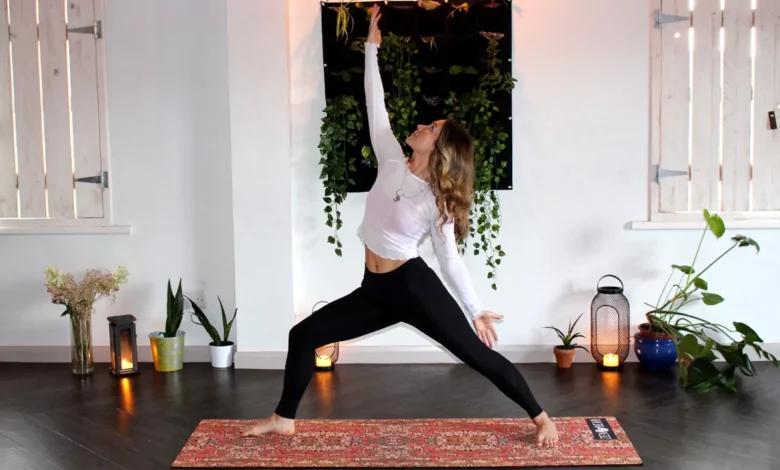
In the rush of daily life, finding a moment of stillness can feel like a luxury. While public yoga studios offer a wonderful sense of community, the time spent commuting and adjusting to a crowded room can sometimes detract from the mental clarity you are seeking. Establishing a dedicated yoga space at home eliminates these hurdles, providing an immediate sanctuary where you can step onto your mat and instantly shift your focus inward.
Creating a home studio does not require a sprawling spare room or an expensive interior design overhaul. With a few intentional choices grounded in environmental psychology and sensory design, you can transform even the smallest corner of your living space into a peaceful oasis. This guide will walk you through every step of planning, organizing, and personalizing your home yoga sanctuary.
Assessing Your Available Space
Before purchasing equipment or moving furniture, take a mindful look at your home layout to identify potential locations. The ideal space does not need to be massive, but it does require enough room for you to extend your arms and legs fully in all directions without hitting a wall or a piece of furniture.
Measuring for Movement
A standard yoga mat is roughly 24 inches wide by 68 inches long. To practice safely and comfortably, you need a clear perimeter that extends at least two to three feet beyond the edges of your mat. Test a potential spot by standing in the center and executing a full range of motion. Extend your arms into a T-shape, reach overhead, and step back into a long lunge. If your hands or feet clip a coffee table or a bookshelf, you either need to shift the furniture or look for an alternative spot.
Evaluating Privacy and Distractions
Physical dimensions are only part of the equation. Your space needs to offer psychological safety and minimal interruptions. Avoid high-traffic zones like entryways or the immediate center of the kitchen. If you live with family members or roommates, a bedroom corner or a home office nook often works best because you can close the door to signal that you need uninterrupted time. If a separate room is not an option, look for architectural niches, alcoves, or areas that can be easily screened off.
Optimizing Flooring and Stability
The foundation of your yoga practice is literally beneath your feet. The type of flooring you choose impacts your balance, your joint comfort, and your safety during transitions.
Hardwood and Laminate
Hardwood is widely considered the premier choice for yoga because it offers a flat, predictable surface that aids in balancing postures. It provides excellent feedback to your feet and hands, allowing you to root down effectively. If your home has hardwood or laminate floors, you are already in a great position. Just ensure the surface is clean and free of dust, which can cause your mat to slip.
Carpeting
Thick, plush carpeting presents a challenge for balancing poses like Tree Pose or Warrior III, as the deep pile compresses unevenly under your weight. However, carpet is incredibly forgiving on the knees, spine, and hips during floor work. If your only available space is carpeted, you can counteract the instability by placing a large, thin sheet of plywood or a specialized portable yoga platform directly over the carpet, then placing your mat on top.
Utilizing Area Rugs and Mat Underlays
If you are practicing on slick tile or cold concrete, adding a large woven area rug made of natural fibers can soften the aesthetic and insulate the space against temperature drops. To prevent injury, always place a high-quality, non-slip rubber pad beneath both the rug and your yoga mat to ensure nothing shifts mid-sequence.
Harnessing the Power of Lighting and Color
The visual environment directly dictates your nervous system’s response. Bright, clinical lighting and chaotic color schemes trigger alertness and stress, whereas soft tones and diffused light promote relaxation and internal focus.
Maximizing Natural Light
Natural light is incredibly beneficial for a morning practice, as it helps align your circadian rhythm and boosts daytime energy levels. Position your mat near a window if possible, but try to face parallel to the window rather than directly into it to avoid blinding glare during your sun salutations. Sheer linen curtains are excellent for diffusing harsh, direct sunlight into a soft, ethereal glow.
Designing Evening Illumination
If you prefer a restorative evening practice, harsh overhead fixtures must be avoided. When you are lying on your back in Savasana, looking directly up into a bright ceiling bulb is highly disruptive. Instead, utilize layered, low-level lighting.
-
Smart bulbs that allow you to dim the intensity and adjust the color temperature to a warm, amber hue.
-
Himalayan salt lamps, which emit a soft, grounding orange radiance.
-
Strategically placed floor lamps that cast light upward against the walls rather than downward into your eyes.
Selecting a Grounding Color Palette
If you have the option to paint your yoga space, steer clear of high-energy colors like bright reds, intense yellows, or stark, institutional whites. Opt instead for muted, nature-inspired tones that encourage the brain to unwind.
-
Muted earth tones like terra cotta, warm beige, or soft taupe.
-
Calming cool tones like sage green, dusty slate, or pale lavender.
-
Matte finishes, which absorb light rather than reflecting it, creating a softer visual environment.
Curating Essential Props and Organization
A chaotic space leads to a chaotic mind. Keeping your yoga gear organized and choosing props that complement your home aesthetic will make your practice space feel inviting rather than cluttered.
+-------------------+------------------------------------+----------------------------------+
| Prop Type         | Primary Function                   | Ideal Materials                  |
+-------------------+------------------------------------+----------------------------------+
| Yoga Mat          | Provides traction and cushioning   | Natural rubber, cork, or jute    |
| Yoga Blocks       | Brings the floor closer to you     | High-density cork or sturdy wood |
| Yoga Strap        | Extends reach and improves alignment| Unbleached organic cotton        |
| Bolster           | Supports the body in passive poses | Buckwheat hull or cotton batting |
+-------------------+------------------------------------+----------------------------------+
Selecting Eco-Friendly Props
When building your home setup, invest in high-quality items made from sustainable materials. Not only are they better for the planet, but they also possess an organic texture that enhances the premium feel of your studio. Cork blocks are heavier and vastly more stable than cheap foam alternatives. A natural rubber or jute mat provides exceptional grip without releasing synthetic chemical odors during your practice.
Smart Storage Solutions
When your practice concludes, your props should have a designated home so your living space returns to order.
-
A tall, woven wicker basket is perfect for rolling up your mat and standing it upright alongside your bolsters.
-
Floating wooden shelves can hold your blocks, straps, and meditation cushions keeping them off the floor and neatly displayed.
-
A dedicated wooden chest or storage bench can hide all your gear completely out of sight if your yoga space is located within a multifunctional room.
Engaging the Senses for Deeper Focus
To truly separate your yoga practice from the domestic duties of home life, you must engage your senses of smell and sound. This creates an environmental trigger that tells your brain it is time to transition from work or chores into mindfulness.
Aromatherapy and Air Quality
Before you begin moving, clear the air. Open a window for a few minutes to circulate fresh oxygen. To introduce calming scents, utilize an essential oil diffuser. Lavender, bergamot, and ylang-ylang are exceptional for reducing anxiety and promoting relaxation. If you require grounding and focus, opt for cedarwood, frankincense, or sandalwood. Avoid heavy synthetic air fresheners or low-quality scented candles, which can irritate your lungs during deep pranayama breathing exercises.
Auditory Landscapes
Soundscape design can help mask external household noises like traffic, roommates, or appliances. Invest in a small, high-quality wireless speaker to place near your space. Depending on your preferences, curate a selection of ambient music, Tibetan singing bowl recordings, or natural soundscapes like rainfall or ocean waves. Ensure the volume is set to a level that supports your focus without overwhelming your ability to hear your own breath.
Adding Personal and Mindful Accents
The final step in creating your sanctuary is adding personal touches that inspire you to return to your mat every day. However, restraint is key; a few meaningful items carry far more power than a shelf crowded with knick-knacks.
Integrating Indoor Greenery
Plants are excellent additions to a yoga space because they literally breathe life into the room, filtering the air and connecting you to the natural world. Choose low-maintenance varieties that thrive in indoor environments. A Snake Plant or a ZZ Plant requires minimal upkeep and features striking, upward-reaching leaves that mirror the energy of growth. A trailing Pothos plant placed on a high shelf adds a soft, organic drape to the corner of your room.
Creating a Focus Focal Point
When practicing balance poses, you need a specific, unmoving point to fix your gaze upon, known in yoga as a Drishti. You can intentionally design a focal point in your space to help steady your mind. This could be a beautiful piece of minimalist abstract art, a framed print of a landscape that brings you peace, or a small altar featuring an arrangement of crystals, smooth river stones, or a single candle.
Frequently Asked Questions
What is the absolute minimum amount of space required for a home yoga studio?
The absolute minimum space required is the footprint of your yoga mat plus an additional two feet of clearance on all sides. This equates to an area of approximately 6 feet by 9 feet. This footprint ensures you can perform basic standing, seated, and prone poses without striking surrounding walls or furniture.
How can I create a yoga space if I live in a tiny studio apartment?
In a tiny apartment, flexibility is essential. Use a folding screen, a room divider, or a hanging curtain to visually isolate your yoga corner when practicing. Utilize multi-functional furniture, such as an ottoman or storage bench, to hide your props when they are not in use. The act of rolling out your mat and lighting a specific candle can serve as the psychological boundary that creates the space, even if the physical layout is shared with your living area.
Is it safe to practice yoga on a tile floor with just a standard mat?
Practicing on tile can be hard on your joints, particularly during poses that place pressure on the knees, elbows, or spine. If you have tile floors, choose a thicker yoga mat (at least 6mm) or place a specialized non-slip rug pad underneath your standard mat to provide extra cushioning and prevent the mat from sliding on the smooth tile surface.
How do I prevent my pets from disrupting my home yoga practice?
Pets are naturally drawn to the energy of a yoga practice and the texture of a mat. To minimize disruptions, establish a routine where you practice behind a closed door. If that is not possible, tire your pet out with a walk or a play session before you begin, or provide them with a dedicated, comfortable bed or a treat toy just outside your immediate movement perimeter so they feel included without entering your physical space.
Should I install a mirror in my home yoga space to check my alignment?
While mirrors are common in commercial studios, they can sometimes promote judgment and external focus rather than internal awareness. If you are a beginner and want to check your form, a mirror can be helpful. However, if you find yourself overly critical of your appearance or posture, try practicing without one and rely on internal proprioception, or video record your practice occasionally on your phone for review afterward.
How often should I clean my home yoga space and props?
To maintain a fresh, inviting environment, wipe down your yoga mat with a gentle, non-toxic cleaner after every few practices. Dust the shelves, vacuum the floor, and wash any fabric prop covers, blankets, or strap attachments at least once a month. Keeping the space pristine ensures that it always feels like a welcoming sanctuary when you step into it.