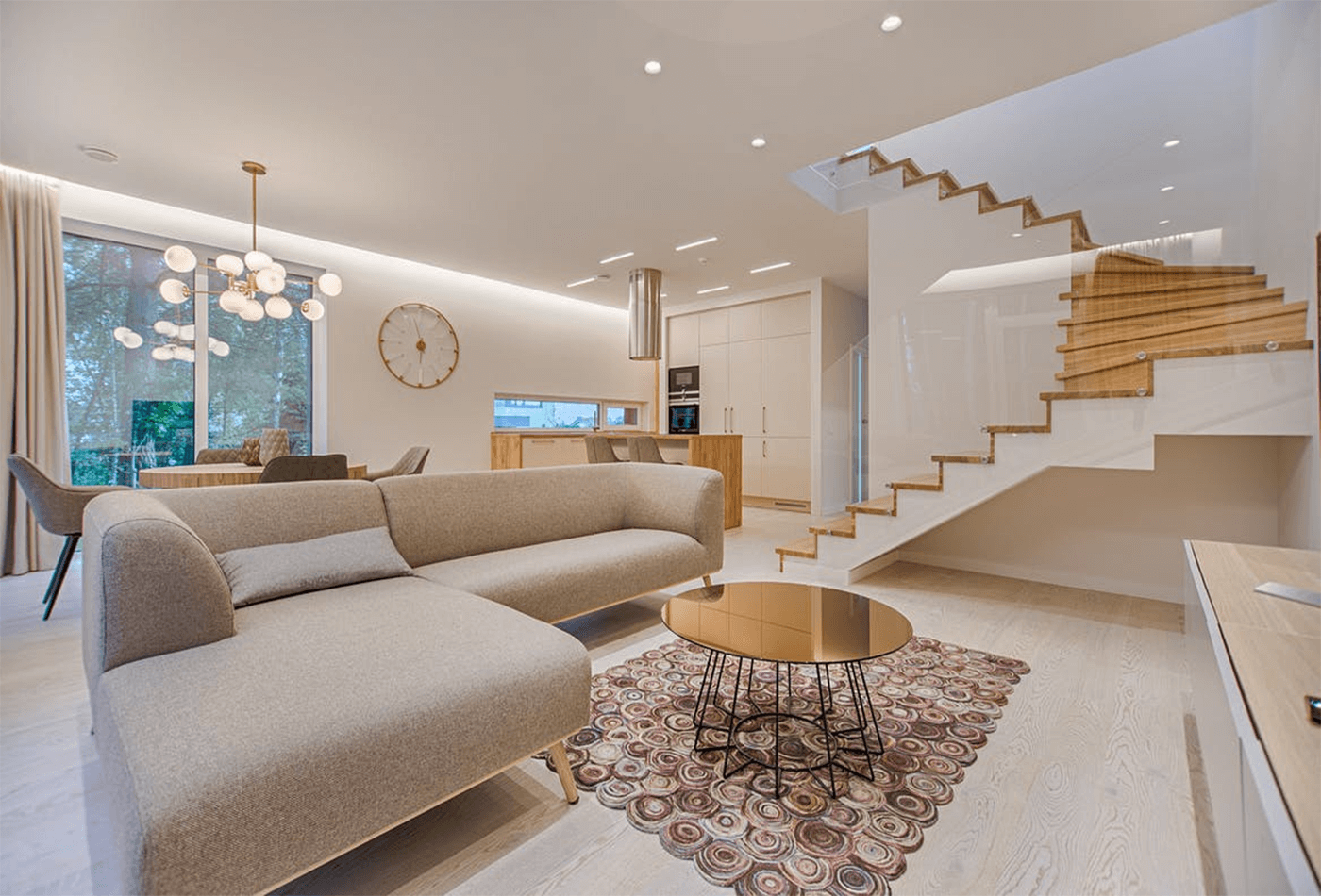
Home is far more than just a physical structure of walls, doors, and windows. It is a profound concept intertwined with emotion, memory, and identity—a sanctuary that embodies safety, comfort, and belonging. Across cultures and centuries, the idea of home has resonated deeply within human consciousness, shaping how individuals relate to themselves and the world around them. It is where personal narratives unfold and where the intangible threads of family, tradition, and aspiration converge. In exploring the essence of home, one uncovers a rich tapestry of meanings that reflect both our shared humanity and unique personal experiences.
At its simplest level, home is a place of shelter. It protects us from the elements, offering refuge from the uncertainties and dangers outside. Yet, this pragmatic aspect only scratches the surface of what home truly signifies. The atmosphere within a home nurtures the soul. It is where people find solace after the trials of the day, where laughter mingles with tears, and where the rhythms of daily life—meals shared, stories told, and quiet moments of reflection—create a sense of continuity and stability. In this way, home becomes a living space, animated by human presence and emotion.
The concept of home extends beyond physicality to encompass the relationships and memories that define it. Family members or housemates who share a space contribute to its character, infusing it with warmth and meaning. It is often said that “home is where the heart is,” underscoring the idea that emotional connection, rather than mere location, defines one’s true home. The familiar scents, the cherished objects, the worn furniture—all serve as tangible reminders of shared experiences and bonds. These elements together forge a sanctuary that offers reassurance, identity, and a sense of belonging in a world that can often feel fragmented.
Moreover, home plays a crucial role in shaping our sense of self. It is within the confines of home that many individuals first encounter love, discipline, and the values that guide their lives. The environment one grows up in—its cultural, social, and emotional milieu—profoundly influences personality development and worldview. For children, home is the foundational classroom where early lessons of trust, empathy, and resilience are imparted. For adults, home continues to provide a backdrop against which life’s transitions are navigated and personal growth is fostered.
In a broader social context, the notion of home encompasses the community and environment in which one resides. Neighborhoods, towns, and cities contribute to an individual’s sense of place and belonging. The quality of these external surroundings—the safety of the streets, the vibrancy of local culture, the availability of green spaces—affects how comfortable and connected people feel. Community ties and social networks enhance this experience, offering support and enriching lives through shared activities and traditions. Thus, home is not confined to private space but extends into the public sphere, intertwining personal life with societal structures.
However, the idea of home is not static. It evolves with life’s changes, reflecting new circumstances, desires, and challenges. Moving to a new city, renovating a living space, or redefining family dynamics can all transform the essence of home. For some, the search for home becomes a literal journey—whether driven by migration, displacement, or a quest for better opportunities. This experience often brings a poignant blend of hope and loss, as individuals grapple with leaving behind familiar surroundings while striving to build a new sense of belonging. It highlights the deep human need for stability and connection amidst uncertainty.
In contemporary times, the meaning of home faces fresh complexities. The rise of urbanization, technological connectivity, and changing family structures have reshaped how people live and relate to their living spaces. On one hand, modern homes increasingly serve multifunctional roles—as workplaces, entertainment hubs, and social venues—reflecting the blending of public and private life. On the other hand, the pace and demands of modern living can sometimes undermine the sense of tranquility and rootedness traditionally associated with home. Balancing these tensions requires intentionality—creating spaces that nurture well-being and foster genuine human connection despite external pressures.
Sustainability and environmental consciousness also add a new dimension to contemporary understandings of home. Increasingly, people recognize that their living environments are part of a larger ecological system. Designing and maintaining homes in ways that respect natural resources and minimize waste is not only a practical consideration but a moral imperative. This holistic approach to home acknowledges that the well-being of individuals is intrinsically linked to the health of the planet, emphasizing stewardship and mindfulness in everyday living.
Ultimately, home embodies a universal human aspiration: the desire to belong, to be understood, and to find peace. It is a place where identity is affirmed, relationships are nurtured, and life’s joys and sorrows are shared. Whether humble or grand, permanent or transient, home represents the enduring human quest for a place that feels truly ours—a refuge that sustains us through life’s inevitable changes.
In reflecting on the multifaceted nature of home, one is reminded of its irreplaceable value. Beyond bricks and mortar, home is the heart’s haven, a wellspring of comfort, inspiration, and continuity. It is where the personal intersects with the universal, where the past meets the present, and where the promise of belonging endures. In cherishing and cultivating our homes, we honor not only ourselves but the deeper connections that bind humanity together.


